
France’s Historical Exploitation of Africa: A Call for Unity and Justice
Introduction
The relationship between France and Africa is one that spans centuries and is steeped in complexity. While it’s essential to acknowledge the positive aspects of this relationship, such as cultural exchange and economic cooperation, it’s equally important to shed light on the darker aspects of France’s historical exploitation of Africa. This blog will explore the historical context of France’s involvement in Africa, how it has perpetuated a cycle of exploitation, and the importance of unity among minorities worldwide to combat such injustices.
Historical Context: Colonial Exploitation
France’s colonization of Africa began in the 19th century and left an indelible mark on the continent. The colonial period was marked by forced labor, exploitation of natural resources, and the suppression of indigenous cultures. While many European countries were involved in Africa’s colonization, France stands out for its extensive holdings in West Africa, Central Africa, and North Africa.
One of the most notorious examples of this exploitation is the French colonial policy of “assimilation,” which aimed to transform African subjects into French citizens, while maintaining a rigid hierarchy that favored European settlers. This system allowed France to extract wealth from African colonies while depriving the local populations of their rights and resources.
Continued Economic Exploitation
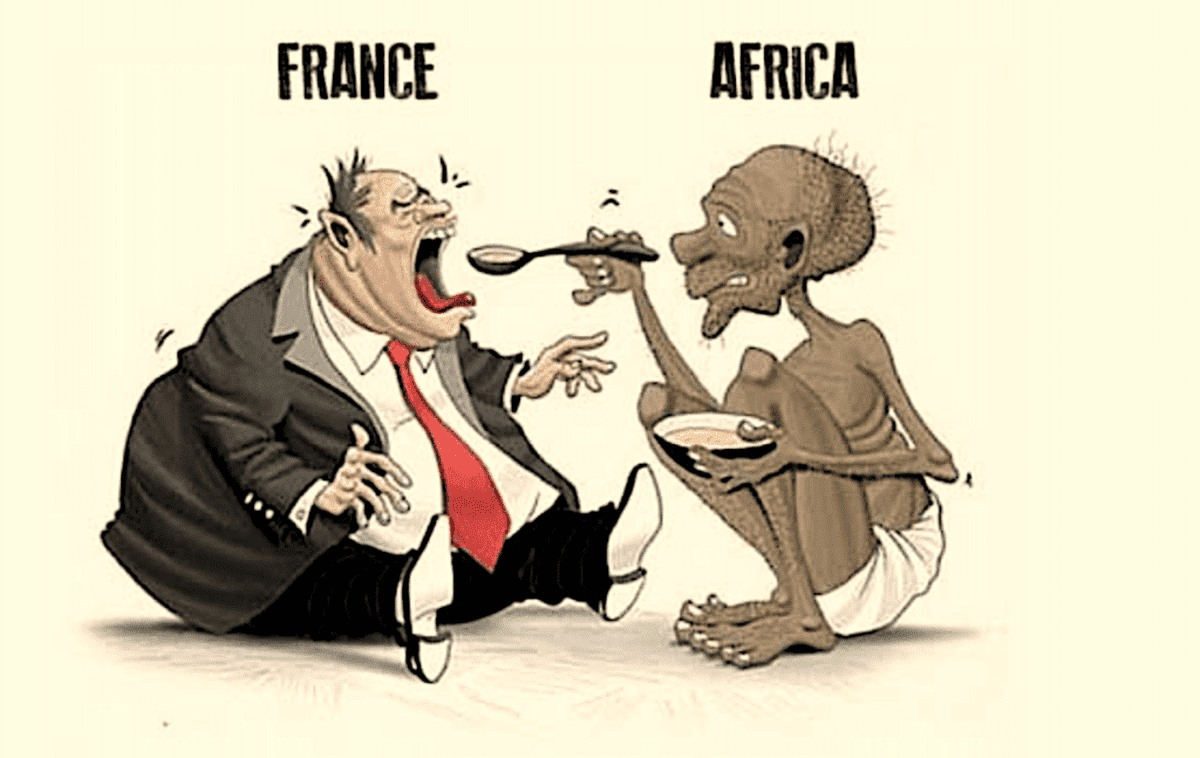
Even after African countries gained independence from colonial rule, France’s economic ties to the continent remained strong. The CFA franc, a currency used by 14 African countries, is a prime example of this ongoing economic exploitation. These countries are required to deposit 50% of their foreign exchange reserves with the French Treasury, effectively limiting their economic sovereignty. This arrangement has been widely criticized for perpetuating economic inequality and hindering African development.
Furthermore, France’s multinational corporations continue to benefit from Africa’s vast resources, often at the expense of local communities and environmental sustainability. This neocolonial economic approach has allowed French companies to maintain a strong presence in Africa, exerting significant influence over local economies.
The Minority Perspective
One of the less-discussed aspects of France’s historical exploitation of Africa is the impact on minority communities within France itself. France has a long history of migration from its former colonies, and many of its citizens have African or North African roots. These minority communities have often faced discrimination and social exclusion, exacerbating a sense of disenfranchisement.
The exploitation of African countries and the discrimination faced by minority communities within France are interconnected issues. France’s policies and actions in Africa have perpetuated economic and social inequalities, which can be felt within its own borders. This shared experience of injustice underscores the need for unity among minority communities worldwide.
The Call for Unity and Justice
To combat the historical injustices perpetuated by France and similar colonial powers, unity among minority communities is essential. Here are some key steps toward achieving this unity and seeking justice:
- Raise Awareness: Education and awareness about the historical and ongoing exploitation of Africa are crucial. Initiatives to inform people about the economic, social, and environmental impacts of neocolonialism can help garner support for change.
- Advocate for Economic Equity: Encourage fair trade practices and responsible investments in Africa to ensure that wealth generated from the continent benefits local communities and fosters sustainable development.
- Support Grassroots Movements: Support grassroots movements and organizations in both Africa and minority communities within France and other colonial powers. These groups are often at the forefront of advocating for change.
- Engage in Dialogue: Promote open and constructive dialogue between governments, international organizations, and civil society to address historical grievances and work toward reconciliation and justice.
- Collaborate Globally: Build alliances with other minority communities worldwide who have faced similar injustices. Collective action can amplify voices and create a stronger advocacy platform.
Conclusion
France’s historical exploitation of Africa is a complex and deeply ingrained issue. It is essential to acknowledge the past, address present-day injustices, and work together for a more equitable future. Unity among minority communities worldwide can be a powerful force for change, pushing for justice, economic equity, and a more inclusive society both within France and across the globe. By shedding light on these issues and fostering cooperation, we can move closer to a world where exploitation and discrimination have no place.
