
The United States has a long, documented history in which Black Americans are systematically targeted by white-dominated power structures—including law enforcement agencies, courts, and political institutions. This is not a matter of isolated incidents or rumors. It is embedded in policies, practices, and culture that repeatedly place Black lives at risk, often with little or no accountability.
The Killing of a 1-Year-Old: Kohen Wiley in Senatobia, Mississippi
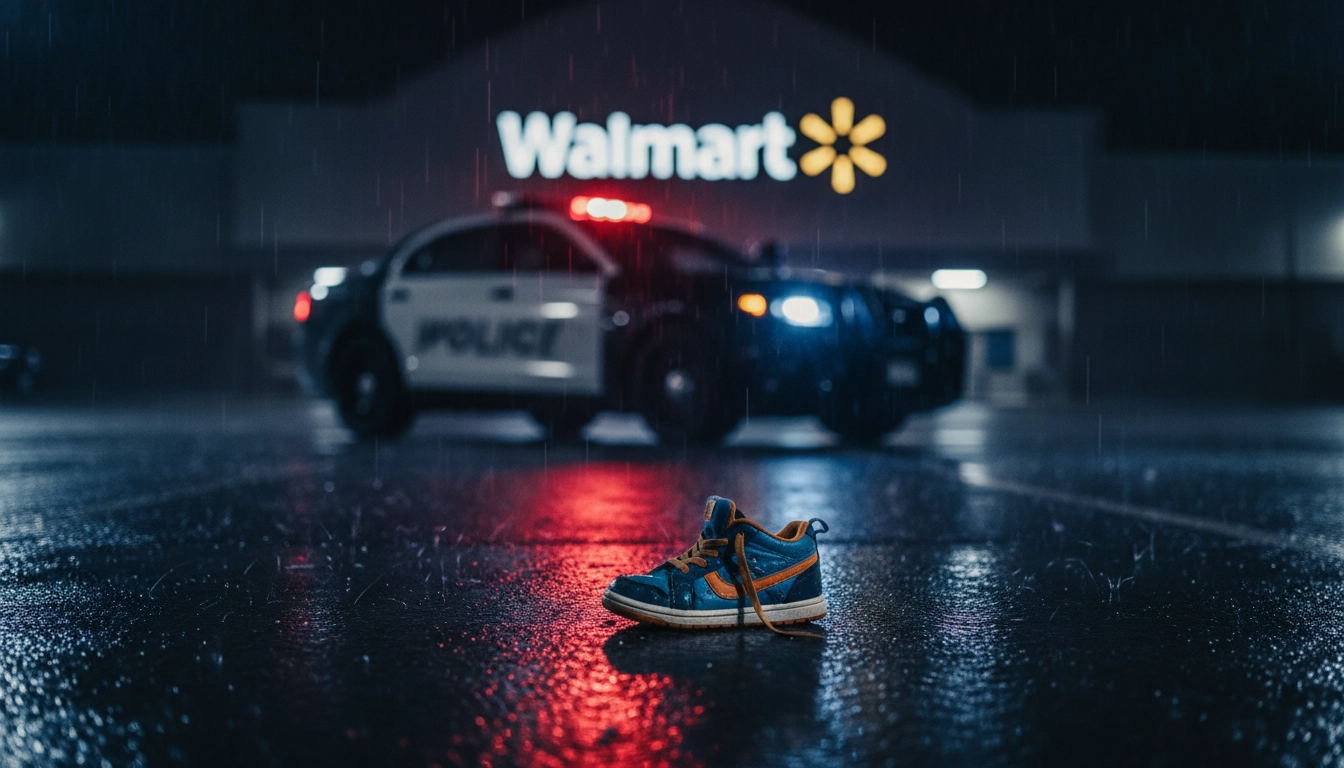
The most recent and horrific example occurred on June 14, 2026, at a Walmart in Senatobia, Mississippi. A Mississippi police officer shot and killed 1-year-old Kohen Kartier Wiley while responding to a shoplifting call.
According to official statements, officers from the Senatobia Police Department and Tate County Sheriff’s Department responded to a shoplifting report at Walmart on U.S. 51. When officers arrived, they encountered two adults and a child fleeing the store into a vehicle. Officers attempted to stop the vehicle, but the driver drove toward the officers, nearly striking one. An officer then discharged their weapon, and the vehicle fled. The child was critically injured and later pronounced dead at a hospital; another adult in the car was critically injured.
Attorney-Level Critical Analysis: What Went Wrong in the Process
From a legal and procedural standpoint, law enforcement’s actions in this case were deeply flawed. Using critical thinking, here is what the process failed to do—and why there is no excuse for what happened:
1. Failure to Verify the Threat Level of the Call
The incident began with a shoplifting call. Shoplifting is a non-violent offense, and law enforcement standards require that officers assess the threat level of the situation before acting.
Critical Failure: Officers did not verify whether the subjects were armed, violent, or dangerous.
Why it Matters: There was no credible threat that justified discharging a firearm at a moving vehicle with a child inside.
No Excuse: Responding to a shoplifting call with lethal force is a gross violation of police procedure and the duty to protect life.
2. Failure to Use Alternative Intervention Methods
When the driver drove toward the officers, nearly striking one, officers had multiple non-lethal options to intervene:
Critical Failure: Officers immediately discharged their weapon instead of using alternative methods such as:
Positioning their vehicles to block the car
Using a PIT maneuver or spike strip
Evacuating to a safe distance
Calling for additional units to intercept the vehicle later
Why it Matters: Shooting at a moving vehicle is a high-risk tactic that is rarely justified, especially when children are present.
No Excuse: Firing a weapon when safer alternatives exist shows reckless disregard for the child’s life.
3. Failure to Assess the Presence of a Child in the Vehicle
An officer is required to assess the situation before discharging a firearm, including determining whether innocent people are present.
Critical Failure: The officer did not confirm whether a child was in the vehicle before shooting.
Why it Matters: A 1-year-old child is clearly not a threat and cannot be held responsible for any alleged crime.
No Excuse: Shooting at a vehicle without confirming the presence of a child is a violation of the duty to protect innocents and shows gross negligence.
4. Failure to De-escalate or Wait for the Vehicle to Stop
Law enforcement is trained to de-escalate situations and allow suspects to flee when the threat is not imminent.
Critical Failure: Officers escalated the situation by firing at a moving vehicle rather than allowing it to leave and pursuing it later.
Why it Matters: The child was not a threat and could not be held for shoplifting. The risk to the child outweighed any benefit of stopping the vehicle immediately.
No Excuse: Escalating a situation involving a child without immediate threat is a violation of police ethics and the duty to protect.
5. Failure to Follow the "Shooting at Moving Vehicles" Policy
Most police departments, including federal guidelines, prohibit or strictly limit shooting at moving vehicles unless there is an imminent threat of death or serious bodily harm.
Critical Failure: The officer fired at a moving vehicle without an imminent threat to life.
Why it Matters: The Supreme Court and police standards require that lethal force be used only when there is an immediate threat to life.
No Excuse: Shooting at a moving vehicle in a non-imminent threat situation is illegal and violates constitutional rights.
6. Failure to Conduct a Proper Investigation and Report
After the incident, the Mississippi Bureau of Investigation has not identified the officer or disclosed the cause of death, citing the ongoing investigation.
Critical Failure: Law enforcement failed to provide transparency, accountability, or a full report of the incident.
Why it Matters: Parents and the public have a right to know what happened and who is responsible.
No Excuse: Silence and lack of transparency protect the officer and deny the family justice.
7. Failure to Protect the Child and Provide Immediate Aid
The child was critically injured and later pronounced dead at a hospital.
Critical Failure: Officers did not provide immediate medical aid to the critically injured child.
Why it Matters: Police are trained to provide first aid and emergency care to injured individuals.
No Excuse: Failing to provide aid to a dying child is a violation of the duty to protect and shows gross negligence.
The Bottom Line
From a legal and procedural standpoint, law enforcement’s actions in this case were deeply flawed. There is no excuse for:
Firing at a moving vehicle with a child inside
Failing to verify the threat level of a shoplifting call
Failing to use alternative intervention methods
Failing to assess the presence of a child
Failing to de-escalate or wait for the vehicle to stop
Failing to follow policy on shooting at moving vehicles
Failing to conduct a proper investigation and report
Failing to provide immediate medical aid to the child
This case is not just another statistic. It is the killing of a toddler for a shoplifting call. It shows how quickly law enforcement can escalate, how little regard is shown for Black lives, and how the system protects officers while children die.
More Examples of Black Children Killed by Police
Kohen Wiley is not the first child to die at the hands of police. The pattern is clear:
| Name | Age | Year | Location | What Happened |
|---|---|---|---|---|
| Ma’Khia Bryant | 16 | 2021 | Columbus, Ohio | A white police officer shot and killed Ma’Khia, a Black girl in foster care, while responding to reports of violence at a foster home. She was swinging a knife at a young woman when she was shot four times. |
| Tamir | 12 | 2014 | Cleveland, Ohio | 12-year-old Tamir was killed by police in a case that drew national attention to how Black children are treated as threats. |
| Black children overall | — | 2003–2018 | Nationwide | A study found Black children are six times more likely to be shot to death by police than white children. Over 16 years, 140 children died from police intervention, and 93% were boys with an average age of 16. |
| Black people | — | 2015–2024 | Nationwide | Black people face 6.1 fatal police shootings per million of the population per year—much higher than any other ethnicity. |
These cases are not accidents. They reflect a system that treats Black children as threats, often with lethal consequences.
Law Enforcement as a System of Control
From slavery to Jim Crow to modern policing, law enforcement has often functioned as a tool of racial control. During slavery, patrols enforced slave codes. After the Civil War, police enforced segregation and intimidation. In the 20th century, police departments became central to enforcing redlining, suppressing Black political movements, and maintaining racial order.
Decades of data confirm that Black Americans face higher rates of police violence, surveillance, and arrest. Black drivers are more likely to be stopped, searched, and subjected to force. Black communities are more heavily policed, leading to higher incarceration rates for the same or lesser offenses. These patterns reflect policy choices that prioritize control over equity.
White Law Enforcement and the Failure to Protect
For decades, many white law enforcement officers have either actively participated in violence against Black communities or stood by while it happened. This has included:
Failing to intervene when Black people are confronted, harassed, or killed by fellow officers.
Protecting officers involved in misconduct through union agreements, internal investigations, and secret settlements.
Suppressing evidence in cases of racial violence or police brutality.
Refusing to hold officers accountable even when video evidence shows clear misconduct, as in the Ma’Khia Bryant case where the officer was cleared of criminal wrongdoing.
This systemic protection creates a culture in which Black Americans are treated as targets by default, and white officers are rarely held to the same standard of accountability.
Black Law Enforcement Officers: Trapped Between Integrity and Survival
Black officers in law enforcement face a unique and devastating dilemma. They are often:
Pressured to conform to department culture, even when it means ignoring or covering up racial misconduct.
Isolated within their agencies, with few allies who will support them when they challenge wrongdoing.
Targeted by colleagues who view them as traitors when they speak out about racism or brutality.
Put in dangerous positions where protecting their own safety may require silence, while standing up for justice may cost them their job, reputation, or even their life.
Many Black officers have described the constant fear of being killed on duty without support from their own agency. When they report misconduct, they are often ignored, sidelined, or punished. In some cases, they are left without backup, protection, or legal support when they face retaliation from white officers or leadership.
This creates an impossible situation: be loyal to the institution and risk your integrity, or stand up for truth and risk your life.
The Cost of Silence and Betrayal
When law enforcement protects its own at the expense of Black lives, it erodes trust in the entire system. Black communities are left without protection, justice, or accountability. Black officers are left without support, safety, or dignity. And the nation is left with a cycle of violence, distrust, and division that continues to deepen.
This is not just a problem of individual officers—it is a problem of institutions designed to maintain racial control and deny Black people full citizenship, safety, and justice.
.
Moving Forward
To change this system, we must:
Demand accountability for officers who use excessive force or act with racial bias, including in cases like Kohen Wiley’s killing.
Support independent investigations that are not controlled by police departments.
Protect Black officers who speak out against racism and corruption.
Rebuild policing around community safety, equity, and justice, not control and punishment.
Ban shooting at moving vehicles, a practice that killed Kohen Wiley and experts say should end.
Black Americans should not be targets of law enforcement. Black officers should not be forced to choose between integrity and survival. And the United States must finally confront the reality that its policing system has been built on a foundation of racial oppression—and that real change requires more than slogans. It requires power, accountability, and justice.
