
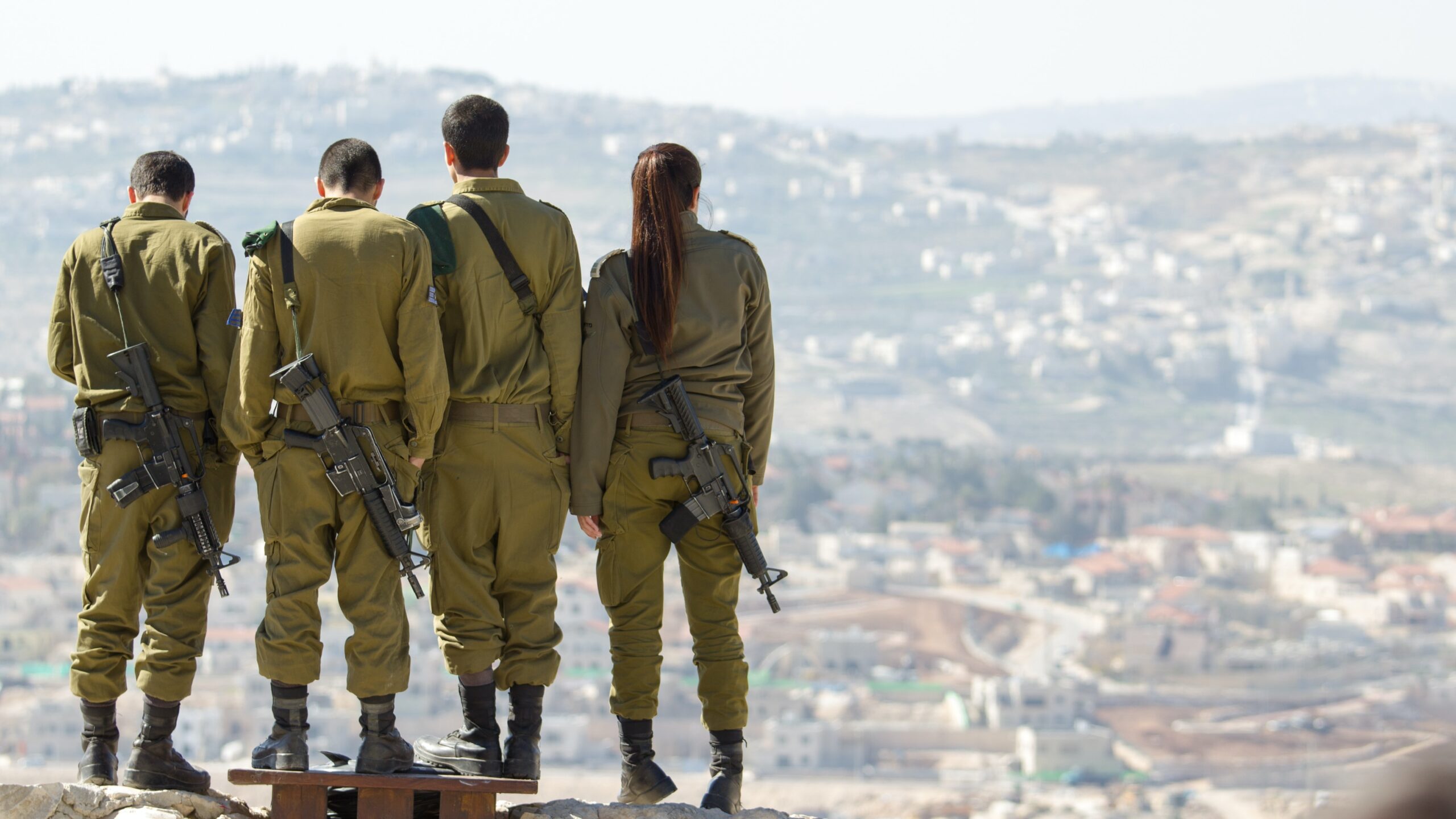
The Israeli-Palestinian conflict is one of the most enduring and complex disputes in the world, deeply rooted in historical events, territorial disputes, and ideological divisions. Central to this ongoing struggle is the historical context of Jewish immigration to Palestine and the role of Hamas, an organization with both political and military wings, which has played a significant part in shaping the dynamics of the conflict. In this blog, we aim to provide a comprehensive understanding of the situation by exploring the historical background, key events, and the role of Hamas, while also addressing the contentious issue of land acquisition by Israel.
The Historical Backdrop:
The origins of the Israeli-Palestinian conflict can be traced back to the late 19th and early 20th centuries, when Jewish immigration to Palestine, then part of the Ottoman Empire, began to rise. The Zionist movement, advocating for the establishment of a Jewish homeland, gained momentum, leading to increasing tensions between Jewish settlers and the Arab population.
The issuance of the Balfour Declaration in 1917, which expressed support for a Jewish homeland in Palestine, marked the beginning of international recognition for such a state. This support, combined with the influx of Jewish immigrants after World War II, culminated in the establishment of the State of Israel in 1948.
Hamas: A Complex Player in the Conflict:
Hamas, or the Islamic Resistance Movement, emerged in the 1980s, primarily in response to Israeli occupation. It comprises both a political and military wing and is dedicated to resisting Israeli occupation, establishing an Islamic state, and governing the Gaza Strip.
The role of Hamas adds layers of complexity to the conflict. On one hand, it represents Palestinian resistance against Israeli occupation, while on the other, its religious component seeks to establish an Islamic state in the region, which can lead to ideological clashes.
Key Reasons for the Ongoing Conflict:
Several factors contribute to the persistent Israeli-Palestinian conflict:
-
Territorial Disputes: The struggle for control over territories, particularly the West Bank and Gaza Strip, remains at the heart of the conflict. Both Israelis and Palestinians claim these lands, leading to frequent disputes.
-
Religious Significance: Jerusalem, with its importance to Judaism, Christianity, and Islam, adds a profound religious dimension to the conflict. Competing claims and deep religious connections make negotiations over religious sites challenging.
-
Refugee Issue: The displacement of Palestinians in 1948 and their descendants, known as Palestinian refugees, remains a point of contention. Palestinians demand the right of return to their ancestral homes, a demand that Israel opposes.
-
Political Division: The division between Fatah, which controls the West Bank, and Hamas, which controls Gaza, complicates peace efforts. A unified Palestinian leadership remains elusive.
The Issue of Land Acquisition:
One particularly contentious issue is the acquisition of land by Israel, especially following the establishment of the state. This is connected to the displacement of Palestinians who fled or were forced to leave their homes during the 1948 Arab-Israeli war. Many Palestinian refugees and their descendants have claimed a right to return to their ancestral lands.
Israel’s acquisition of land and establishment of settlements in the West Bank and East Jerusalem has been a source of conflict. Critics argue that these actions have impeded the creation of a viable Palestinian state, while Israel maintains that its actions are essential for security and fulfilling the right to Jewish self-determination.
Conclusion:
The Israeli-Palestinian conflict is an intricate issue deeply rooted in history, religious significance, territorial disputes, and the actions and policies of both sides. Hamas’s role further complicates the landscape, with its dual objectives of resisting Israeli occupation and seeking to establish an Islamic state. Achieving lasting peace in the region remains a formidable challenge, but comprehensive understanding and continued diplomatic efforts are essential steps in this pursuit. Addressing the complex issues of land acquisition, refugee rights, and religious significance requires careful negotiation and compromise from all parties involved.
